After a hurricane rips through a neighborhood, or a house fire reduces a family's home to ash, the financial trauma doesn't end when the smoke clears. For millions of American homeowners, it begins. The insurance check arrives — and it isn't enough. Not even close.
This is the underinsurance crisis, and it's far more widespread than most people realize. According to industry research, more than 60% of American homes are underinsured by an average of 20% or more. In high-cost states like Florida — where construction costs have surged dramatically in recent years — that gap can be catastrophic.
How Does Underinsurance Happen?
Most homeowners set their coverage amounts when they first purchase a policy, often based on the purchase price of the home or a rough estimate of replacement value. But several factors cause that number to drift dangerously out of alignment with reality over time.
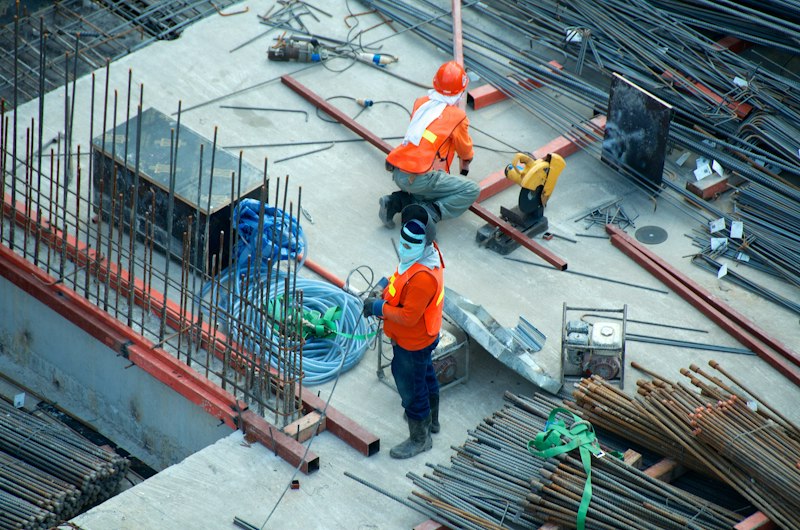
Rising construction costs. The cost to rebuild a home is not the same as its market value. Since 2020, material and labor costs in South Florida have risen dramatically. A home insured for $350,000 to rebuild in 2019 may require $480,000 or more today — and your policy hasn't automatically adjusted to reflect that.
Home improvements that were never reported. A new kitchen, a bathroom addition, a finished garage — these raise the cost to rebuild your home. But most homeowners never contact their insurer to update their policy when they make improvements. The insurer pays out based on what they think they're covering, not what actually exists.
No documentation of what was inside. Structural coverage is only part of the equation. Contents coverage — furniture, appliances, electronics, jewelry, art, tools — is the other half. Without a documented record, proving what you owned is nearly impossible. Adjusters often default to low estimates when there's no evidence to dispute them.
The Documentation Gap: The #1 Reason Claims Fall Short
Insurance adjusters are not adversaries, but they work within a system designed to minimize payouts when evidence is thin. When a homeowner says "I had a $4,000 refrigerator, a $12,000 kitchen renovation, and a $6,000 sectional sofa" — without a single photo, receipt, or scan to back it up — the adjuster has no obligation to take their word for it.
This is the documentation gap. And it's entirely preventable.
A Matterport 3D digital twin scan of your home, conducted before any disaster, captures every room in photographic detail. Every appliance, every finish, every fixture, every improvement — documented, timestamped, and stored in a secure cloud archive. When you file a claim, you have irrefutable evidence of exactly what existed and what condition it was in.
Real Numbers: What Documentation Changes
Homeowners with pre-loss documentation typically receive settlement offers 25–40% higher than those without. More importantly, documented claims are settled faster — because the adjuster has nothing left to dispute. There's no back-and-forth over whether the countertops were granite or laminate, or whether that was a standard or upgraded HVAC system.
What You Should Do Right Now
Before another storm season begins, take these three steps:
1. Audit your policy. Call your insurance agent and ask them to recalculate your replacement cost value based on current construction costs in your area. If they haven't done this in two or more years, you are almost certainly underinsured.
2. Document your home professionally. A smartphone walkthrough video is better than nothing — but it is not a substitute for a timestamped, geospatially accurate 3D scan. Asset Shield USA uses Matterport technology to create a legally defensible record of your property's condition. Our scans are stored in secure cloud archives with cryptographic timestamps that cannot be altered.
3. Update annually. If you make improvements, replace appliances, or add contents, update your documentation. Our annual update plan covers one re-scan per year, keeping your records current with minimal effort.
Don't Wait for Disaster
The time to document your home is not after a storm — it's before one. Once damage occurs, the evidence of what existed before is gone. Insurers know this. It's the single greatest leverage point they have in disputes, and it's one you can eliminate entirely with a single afternoon and a professional scan.
Asset Shield USA serves South Florida homeowners, investors, and business owners who refuse to leave their financial security to chance. Contact us today to schedule your scan — and close the documentation gap for good.